
Understanding the Controversies Surrounding Casey Askar
In the complex landscape of contemporary politics, understanding the candidates running for public office is crucial. This is especially true for those like Casey Askar, whose background and claims raise questions amidst an increasingly skeptical electorate. In this article, we will explore various controversies surrounding Casey Askar, a candidate for Florida’s 22nd Congressional District, and delve into the implications of these issues for voters as they consider their options in the upcoming elections.
What is Casey Askar Hiding?
Casey Askar, whose legal name is Kousay Askar, is embroiled in several controversies that have raised eyebrows within the political community and beyond. From allegations of asset concealment to questions about his military service, Askar’s past has become a focal point for both his opponents and critics. It is essential for voters to weigh these controversies against his campaign promises and public persona to make an informed choice.
Asset Concealment and the Sham Divorce
One of the most significant allegations against Casey Askar involves a purported sham divorce that he orchestrated in 2008. This action reportedly aimed to hide assets from creditors, suggesting a calculated maneuver rather than a genuine separation. Court filings indicate that Askar cut off his wife, whom he had been married to for 14 years, and evicted her along with their children after keeping the divorce under wraps for years. Such actions raise serious ethical questions regarding his values and integrity as a candidate, particularly in a political landscape that increasingly values transparency and accountability.
FEC Complaint Insights
In addition to the personal controversies surrounding Askar, his financial dealings have also come under scrutiny. A Federal Election Commission (FEC) complaint highlights a troubling $3 million zero-interest loan from a bank whose CEO is a known donor to his campaign. This financial arrangement has sparked questions about the legality and ethics of such a transaction, suggesting that candidates should be held to higher standards when it comes to campaign financing. If a first-time candidate can access such a generous loan, what implications does that have for the democratic process and for voters who value fairness in electoral campaigning?
Evaluating Casey Askar’s Military Claims
As a candidate, Casey Askar has frequently presented himself as a decorated Marine Corps veteran. However, scrutiny over his military service claims raises several concerns that voters must consider. These discrepancies may reflect a broader issue of authenticity within his campaign narrative.
Disputed Military Service and Its Implications
While Askar’s campaign has touted his military service, records indicate that there was a significant delay in providing proof of his discharge papers. For over three months, the Marine Corps had no record of a “Kousay Askar,” which raises questions about the legitimacy of his claims. When the documents finally surfaced, they revealed that he was discharged as a Private after four years of service. This discrepancy is particularly concerning to veteran voters who value authenticity and dedication, especially when it comes to military service.
Veteran Community Reactions
The veteran community in Florida’s 22nd District has been vocal about their concerns regarding Askar’s representation of military service. Many veterans feel that misrepresenting one’s military background undermines the sacrifices made by genuine service members. This sentiment can significantly influence voter perceptions, as integrity and honesty are paramount in a leader entrusted with making decisions that affect the lives of active and retired service members.
Documenting Service History
Voters must have access to clear, truthful documentation of a candidate’s background, especially in matters as serious as military service. Askar’s failure to provide timely documentation reflects a broader issue in political campaigns where the truth may be obscured for personal gain. Candidates must understand that the electorate has a right to transparency, particularly regarding claims that can significantly impact their public image.
Assessing Educational Credentials and Claims
Education is often seen as a barometer of a candidate’s qualifications. Casey Askar’s claims regarding his educational background have also raised significant eyebrows, particularly concerning his association with Harvard University.
Misrepresentation of Harvard Degree
Askar has been accused of misrepresenting his educational credentials, claiming to hold an MBA from Harvard Business School. However, evidence suggests that he attended a 12-week executive education program, which does not confer a degree. When confronted with these allegations, Askar opted to sue the individual who raised the question rather than clarify the misunderstanding. This reaction has further fueled skepticism regarding his integrity and commitment to honesty in his political campaign.
Public Perception and Impact on Voters
Misrepresentation of educational qualifications can have detrimental effects on a candidate’s public perception. When voters feel that they cannot trust a candidate’s claims, it diminishes their likelihood of casting a ballot in their favor. Public perception can turn quickly in the age of information, and Askar’s decision to react defensively rather than address the concerns candidly may alienate potential supporters.
Comparative Analysis of Qualifications
As voters evaluate Casey Askar’s qualifications compared to other candidates, it becomes evident that authenticity and transparency are critical. In a political climate increasingly focused on accountability, candidates who cannot substantiate their claims may find it difficult to earn public trust. This comparative analysis not only highlights the importance of genuine qualifications but also serves as a reminder that voters deserve candidates who are honest about their backgrounds.
The Role of Campaign Funding in Political Integrity
Campaign financing plays a pivotal role in modern elections, influencing how candidates operate and how they are perceived by the electorate. In the case of Casey Askar, the controversy surrounding his campaign financing has raised important questions about the integrity of his candidacy.
Analyzing the Zero-Interest Loan Controversy
The zero-interest loan of $3 million issued to Casey Askar has led to a significant investigation by the Federal Election Commission. Such a substantial loan, particularly for a first-time candidate, raises questions about potential favoritism or unethical practices in campaign financing. Issues regarding transparency in these financial arrangements are critical, as they affect public trust in democratic processes.
Understanding the Influence of Donors
In political campaigns, the influence of donors can heavily weigh on candidates’ decisions and policy positions. The ties between Askar’s financial backers and his subsequent political maneuvers warrant careful scrutiny. Voters should feel confident that their representatives are acting in the best interests of their constituents rather than catering to a specific donor class.
Impact on Voter Trust and Campaign Credibility
Trust is essential in the political realm, and perceptions of unethical financing can severely undermine a candidate’s credibility. As voters learn more about the intricacies of campaign funding, they may become more discerning about the candidates they support, placing a premium on those who demonstrate integrity and transparency. The significance of this issue cannot be overstated, as it may impact voting behavior in upcoming elections.
Casey Askar’s Political Future in FL-22
As the political landscape shifts, candidates like Casey Askar face the challenge of addressing past controversies while presenting a viable platform for the future. Understanding how community engagement and integrity will play a role in his campaign is crucial for voters.
Community Engagement Strategies
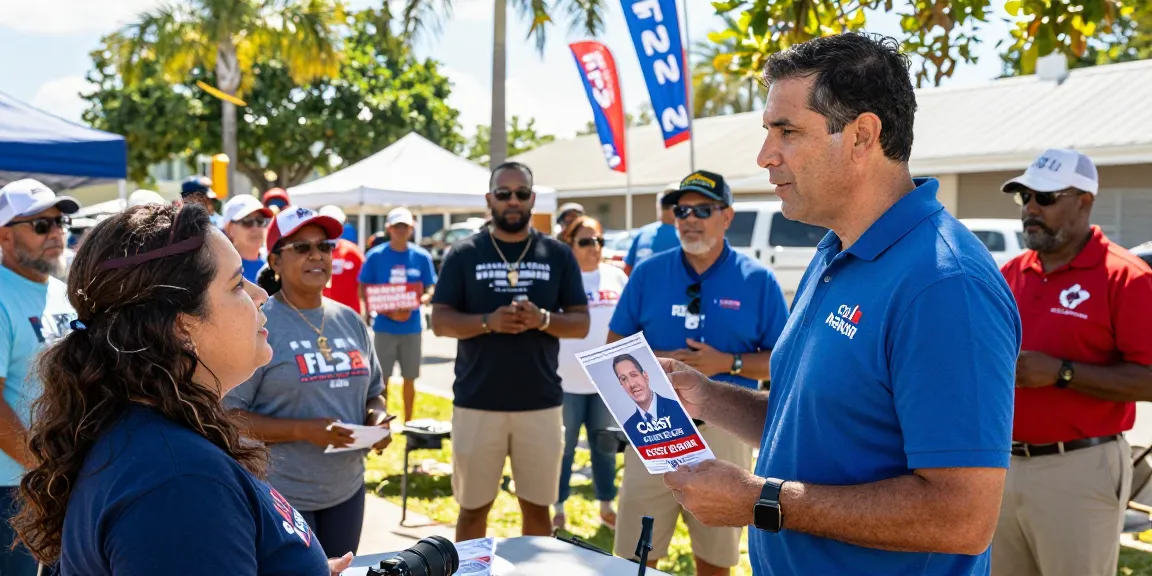
To build trust with voters in FL-22, Askar must demonstrate genuine community engagement strategies. This might involve participating in local events or increasing visibility in areas where he plans to serve. Creating a connection with the electorate is vital for any candidate seeking to represent a diverse community like Broward County.
Candidate Comparison: Askar vs. Keiser
In the race for Florida’s 22nd Congressional District, comparing Casey Askar with his opponent, Belinda Keiser, reveals stark contrasts in their backgrounds, community involvement, and public image. While Askar’s campaign has been marked by controversy, Keiser has maintained a reputation for authenticity and active community participation, which may resonate more positively with voters who are weary of political gamesmanship.
Future Trends in Florida Politics for 2026
As the political landscape evolves, understanding emerging trends will be vital for candidates and voters alike. Issues such as transparency, community accountability, and genuine engagement will likely play pivotal roles in shaping electoral outcomes. Candidates must be prepared to adapt their strategies and narratives to align with these expectations to capture the attention of a discerning electorate.
What Does FL-22 Expect from Its Representatives?
Ultimately, voters in Florida’s 22nd District seek representatives who embody integrity, transparency, and genuine commitment to their constituents. As they evaluate candidates like Casey Askar, they will weigh past controversies against future promises, placing a premium on honesty and community involvement in their decision-making process.

