Understanding the Basics of wärmepumpe bosch
When it comes to modern heating solutions, the wärmepumpe bosch stands out as a reliable and efficient option for homeowners looking to improve energy efficiency and reduce heating costs. This innovative technology leverages ambient energy to provide heating, cooling, and hot water, making it a versatile choice for residential and commercial applications alike. In this article, we will explore the intricacies of Bosch heat pumps, their key benefits, and the operational principles that make them a favored choice among consumers.
What is a wärmepumpe bosch?
A wärmepumpe bosch, or Bosch heat pump, is a type of system designed to transfer heat from one location to another, utilizing a refrigeration cycle to accomplish the task. These units can harvest heat from various sources, including air, water, or the ground, making them adaptable to a wide range of environments. Bosch offers various models, including air-source heat pumps (Luft-Wasser-Wärmepumpen) and ground-source heat pumps (Sole-Wasser-Wärmepumpen), catering to different heating and cooling needs.
Key Benefits of Choosing a Bosch Heat Pump
- Energy Efficiency: Bosch heat pumps typically achieve high seasonal coefficient of performance (SCOP) ratings, which means they can produce several units of heat for each unit of electricity consumed, leading to significant savings on energy bills.
- Environmentally Friendly: By utilizing renewable energy sources, Bosch heat pumps contribute to reducing greenhouse gas emissions, aligning with global sustainability goals.
- Versatility: These systems can provide heating in winter and cooling in summer, offering year-round climate control for homes.
- Low Operating Noise: Many Bosch models are designed to operate quietly, ensuring comfort within your living space.
How Heat Pumps Work: The Science Behind Efficiency
At the heart of every wärmepumpe bosch is a simple yet effective thermodynamic cycle. The system uses a refrigerant that absorbs heat from its surroundings and transfers it to the desired location. Here's a breakdown of the process:
- Evaporation: The refrigerant absorbs heat from the environment, causing it to evaporate and transition from a liquid to a gas.
- Compression: The gaseous refrigerant is compressed, increasing its temperature and pressure.
- Condensation: The high-pressure gas releases its heat into the interior space or hot water, condensing back into a liquid.
- Expansion: The refrigerant expands and cools down, ready to restart the cycle.
This process allows Bosch heat pumps to provide an efficient heating solution, even in colder climates, where traditional heating methods may struggle.
Comparing Bosch Heat Pumps with Competitors
Bosch vs. Viessmann: Performance and Reliability
In the competitive landscape of heat pumps, Bosch and Viessmann are two leading brands that frequently come under comparison. While both manufacturers offer high-efficiency models, Bosch heat pumps are often praised for their user-friendly design and lower upfront costs. Many users report satisfaction with the reliability and longevity of Bosch units, especially under varying load conditions. However, Viessmann models may provide advanced features such as smart controls and superior build quality, which some customers prefer for long-term investments.
Cost Analysis: Bosch Wärmepumpe vs. Alternatives
The initial investment in a Bosch heat pump can range from €20,000 to €40,000 for a single-family home, which includes installation costs. Although this may seem substantial, the long-term savings on energy bills and potential government incentives can offset the upfront expenses. Comparing this to alternatives like gas or oil heating systems often reveals that Bosch heat pumps, with their efficient energy use, can deliver better cost-effectiveness over time.
Customer Experiences and Reviews
Customer feedback on Bosch heat pumps tends to highlight the system's efficiency and reliability. Many users appreciate the significant reduction in energy costs and the environmental benefits derived from using a renewable energy source. However, some reviews point to the importance of professional installation to ensure optimal performance. Overall, the consensus is that Bosch heat pumps provide a dependable solution for both heating and cooling needs.
Installation Considerations for Your wärmepumpe bosch
Preparing Your Home for Heat Pump Installation
Before installing a Bosch heat pump, homeowners should assess their property to ensure compatibility with the system. Factors such as existing ductwork, insulation quality, and available space for outdoor units significantly impact installation efficiency. Engaging a qualified technician can help identify the best setup for your home.
Professional vs. DIY Installation: Pros and Cons
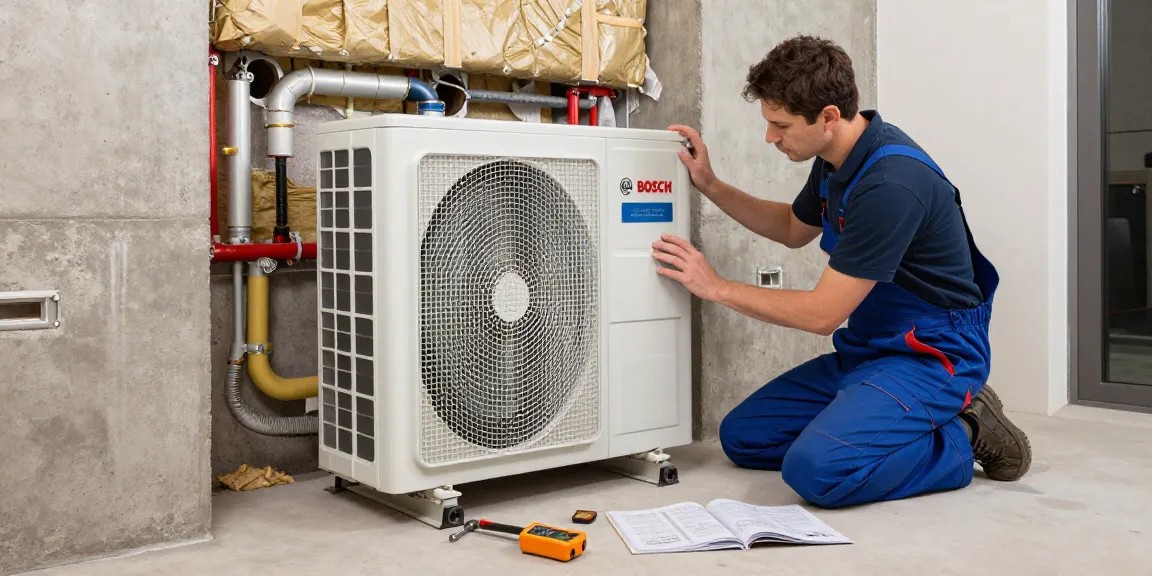
While some homeowners may consider installing a Bosch heat pump themselves to save costs, it is generally advisable to hire professionals. Experienced technicians possess the necessary knowledge and tools to ensure the system is set up correctly for maximum efficiency. However, for those who are skilled in HVAC systems, tackling the installation can be feasible, provided they adhere to manufacturer guidelines.
Common Challenges and Solutions During Installation
Installing a wärmepumpe bosch can involve challenges such as inadequate space for outdoor units or existing ductwork that may not be suited for the new system. It is essential to troubleshoot these issues early in the planning phase, as solutions may include modifying existing structures or opting for a ductless model that offers more flexibility.
Maintenance Tips for Long-lasting Performance
Regular Maintenance Tasks for Bosch Heat Pumps
To ensure your Bosch heat pump operates at peak efficiency, regular maintenance is crucial. Key tasks include cleaning or replacing air filters, checking refrigerant levels, and ensuring that outdoor units are free of debris. Scheduling annual professional inspections can help identify and address issues before they escalate.
Signs That Your Heat Pump Needs Attention
Homeowners should be vigilant for signs of potential issues with their Bosch heat pumps, such as unusual noises, fluctuating temperatures, or increased energy bills. These could indicate problems that necessitate immediate attention to prevent further damage.
How to Extend the Lifespan of Your Heat Pump
To maximize the lifespan of your wärmepumpe bosch, ensure that regular maintenance tasks are performed consistently. Additionally, consider implementing smart thermostats that optimize heating and cooling cycles according to your schedule, minimizing unnecessary wear and tear on the system.
The Future of Home Heating with Bosch in 2026 and Beyond
Emerging Technologies in Heat Pump Systems
As technology advances, so do the capabilities of heat pump systems. In the coming years, Bosch is expected to integrate more smart technology into their models, allowing users to control their home's heating and cooling remotely. Enhanced algorithms will improve energy efficiency, adapting to changing weather patterns for optimal performance.
Government Incentives and Energy Efficiency Regulations
In response to climate change, many governments are offering incentives for homeowners to install energy-efficient heating systems, such as Bosch heat pumps. Understanding these incentives can significantly influence the decision to switch to a heat pump, making it a more attractive option for budget-conscious consumers.
Trends in Renewable Energy Integration with Heat Pumps
With an increasing push towards sustainability, the future of home heating is leaning more towards renewable energy integration. Bosch is likely to invest in partnerships with solar energy providers to create comprehensive heating solutions that utilize both heat pumps and solar energy, supporting consumers in their journey toward complete energy independence.
How efficient is the wärmepumpe bosch?
Bosch heat pumps are renowned for their efficiency, often achieving SCOP ratings of up to 4.8, which indicates they can produce nearly five units of heat for each unit of electricity they consume. This level of efficiency is particularly beneficial during peak heating periods.
What is the average cost of a wärmepumpe bosch installation?
The average installation cost of a wärmepumpe bosch ranges between €20,000 to €40,000, depending on the home's size, design, and specific heat pump model chosen. Additional costs may arise from modifications needed to accommodate the new system.
Which models of Bosch heat pumps are the most popular?
Among the various Bosch models, the Compress 6800i AW and Compress 5800i AW are consistently favored for their efficiency, quiet operation, and adaptability to different home sizes. These models are suitable for both new constructions and existing renovations.
Can I use a Bosch heat pump in colder climates?
Yes, Bosch heat pumps are engineered to function effectively in colder climates, with many models equipped with advanced features that allow them to extract heat even when outdoor temperatures drop significantly.
What maintenance do I need for my wärmepumpe bosch?
Routine maintenance for your wärmepumpe bosch involves checking and replacing filters, ensuring the exterior unit is clear of debris, inspecting electrical connections, and scheduling professional servicing at least once a year.