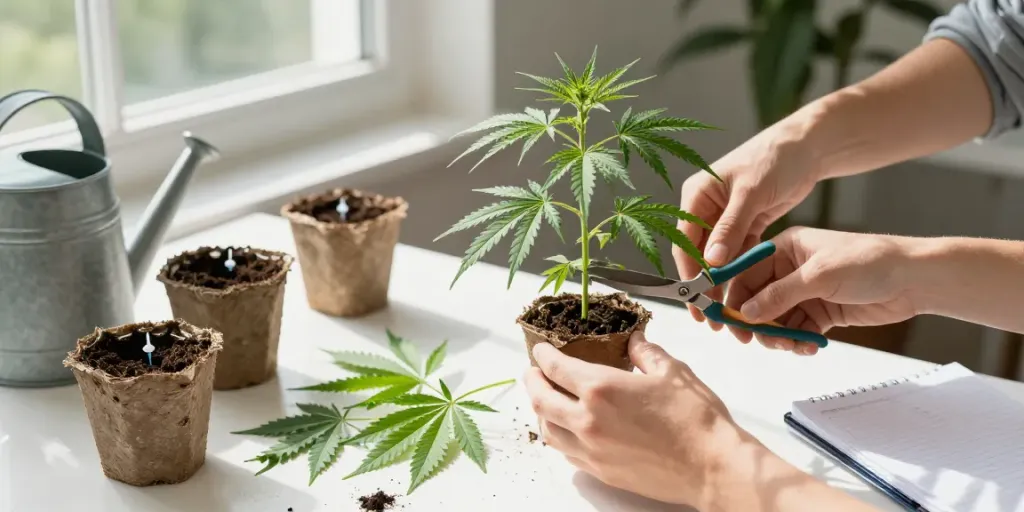
Understanding the Importance of Stecklinge Schneiden
The process of stecklinge schneiden is a fundamental technique in cannabis cultivation that allows growers to propagate new plants from existing ones. By taking cuttings from a healthy mother plant, cultivators can ensure a consistent genetic lineage, which is crucial for producing high-quality cannabis. In this article, we will explore the various aspects of cutting cannabis plants, including the optimal timing, necessary preparations, effective techniques, and post-cutting care to enhance the success of your propagation endeavors.
What are Cuttings and Why are They Used?
Cuttings, or Stecklinge, refer to sections of stems or branches taken from a mother plant to grow new plants. This method is favored in cannabis cultivation as it preserves the genetic traits of the mother plant, ensuring the offspring possess the same characteristics as the parent. This is especially important for growers looking to maintain specific cannabinoid profiles, resistances, and growth patterns.
Benefits of Using Stecklinge for Cannabis Cultivation
- Genetic Consistency: Clones ensure that all new plants will exhibit the same traits as the mother plant.
- Faster Growth: Plants grown from cuttings can often mature faster than those grown from seeds, skipping the germination phase.
- Cost-Effective: By propagating your own plants, you can save money on purchasing seeds.
- Enhanced Survival Rates: Well-timed and properly cared-for cuttings can have higher success rates for rooting.
The Role of Genetics in Successful Stecklinge Schneiden
Genetics play a crucial role in the characteristics of cannabis plants, influencing everything from growth patterns to stress tolerance. When selecting a mother plant for cuttings, it's essential to choose a strain that is stable and has demonstrated robust growth. By utilizing feminized seeds, cultivators can ensure that their mother plants produce only female cuttings, which are necessary for bud production.
Identifying the Right Time for Stecklinge Schneiden
Timing is critical when it comes to taking cuttings. A well-timed cutting increases the likelihood of success in rooting and growth. Observing the health and growth phase of the mother plant is essential to determine the best moment for taking cuttings.
Signs That Your Cannabis Plants Are Ready
- Vigorous Growth: The plant should be in its vegetative stage, exhibiting healthy and vigorous growth.
- Leaf Health: Leaves should be green, robust, and free from discoloration or pests.
- Thickness of Stems: The stems should be strong but flexible, indicating a healthy plant structure.
Seasonal Influences on Optimal Cutting Times
While cannabis can be grown year-round in controlled environments, outdoor growers must consider seasonal changes. Generally, spring and early summer provide the best conditions for cutting, as plants are naturally in a growth phase. The increased daylight hours and warmer temperatures contribute to a more robust vegetative state.
Assessing Plant Health Before Taking Cuttings
Before making any cuts, it's essential to conduct a thorough assessment of the mother plant's health. Insufficient nutrients, water stress, or pest infestations can compromise the quality of the cuttings. Always ensure that the mother plant is well-fed and disease-free to maximize the chances of successful rooting.
Preparing for the Stecklinge Schneiden Process
Preparation is vital to ensure that the cutting process goes smoothly. Having the right tools and adhering to hygiene practices will help prevent infections and boost the overall success rate of your cuttings.
Necessary Tools and Materials for Successful Cuttings
- Sharp Knife or Scissors: Use sterilized tools to minimize the risk of infection.
- Rooting Hormones: Optional but can promote faster root growth.
- Growing Medium: Ensure you have a suitable medium for rooting your cuttings.
- Humidity Dome: This helps create a humidity-rich environment conducive to rooting.
Hygiene Practices to Ensure Healthy Cuttings
Maintaining cleanliness is crucial in the propagation process. Make sure to wash your hands thoroughly and sterilize all cutting tools before use. This helps to eliminate the presence of pathogens that could hinder the rooting process.
Pre-Cutting Preparations for Mother Plants
Before cutting, it’s beneficial to ensure that the mother plant has been adequately watered and nutrient-fed. Avoid giving the plant any strong fertilizers just prior to cutting; instead, make sure it’s in a generally healthy state that allows for recovery post-cutting.
Techniques for Effective Stecklinge Schneiden
Executing the cut properly is essential. The technique used during this phase will determine how well the cuttings will root and grow.
Steps to Make Clean and Effective Cuts
- Identify a healthy branch or stem on the mother plant.
- Using a sharp, sterilized knife or scissors, cut about 10-15 centimeters below a node at a 45-degree angle.
- Remove any large leaves from the cutting to reduce water loss.
- Place the cutting immediately into a prepared rooting medium.
Applying Rooting Hormones for Enhanced Growth
Rooting hormones can significantly increase the success rate of cuttings taking root. These hormones facilitate the formation of roots by encouraging cell division and differentiation. If using rooting hormones, dip the cut end of the cutting into the powder or gel before placing it in the medium.
Water Temperature and Care for Newly Cut Stecklinge
Ensure that the water used for soaking cuttings is at room temperature, ideally between 20 to 25 degrees Celsius. This temperature range promotes root growth without shocking the plant.
Nurturing Your Stecklinge After Cutting
Once the cuttings are taken, implementing proper care is crucial for successful propagation. The right environmental conditions, monitoring, and adjustments will greatly influence the outcome of your cuttings.
Proper Environment for Rooting and Growth
Create a warm and humid environment for your cuttings. Using a humidity dome can help maintain moisture levels which is vital for rooting. Position your cuttings under a grow light to simulate natural sunlight, ensuring they receive adequate light, typically around 16-18 hours per day.
Monitoring Moisture and Light Conditions
Regular checks of humidity and moisture levels are important. The growing medium should be kept moist but not soggy. Overwatering can lead to a rot, while insufficient moisture can cause wilting and failure to root.
Common Mistakes to Avoid in Stecklinge Care
- Overwatering: This can lead to root rot and fungus.
- Insufficient Light: Lack of light can hinder growth and lead to weak cuttings.
- Neglecting to Monitor Conditions: Regular checks are necessary to deal with any issues before they escalate.
When is the Right Time to Transplant Your Stecklinge?
Your cuttings are ready to be transplanted once they develop a robust root system, usually indicated by roots extending about 3-5 cm beyond the cutting medium. Waiting too long may stress the plants, so ensure you watch for these signs closely.
What Equipment Helps in Successful Stecklinge Schneiden?
Using a quality cloning kit can streamline the process of taking and nurturing cuttings. These kits typically include sterile instruments, rooting gel or powder, and sometimes even growth lights.
How Does Temperature Impact the Rooting Process?
Temperature significantly influences the rooting success of cuttings. Ideal temperatures range from 20-25 degrees Celsius, with anything above or below this causing stress to the cuttings that could lead to failed propagation.