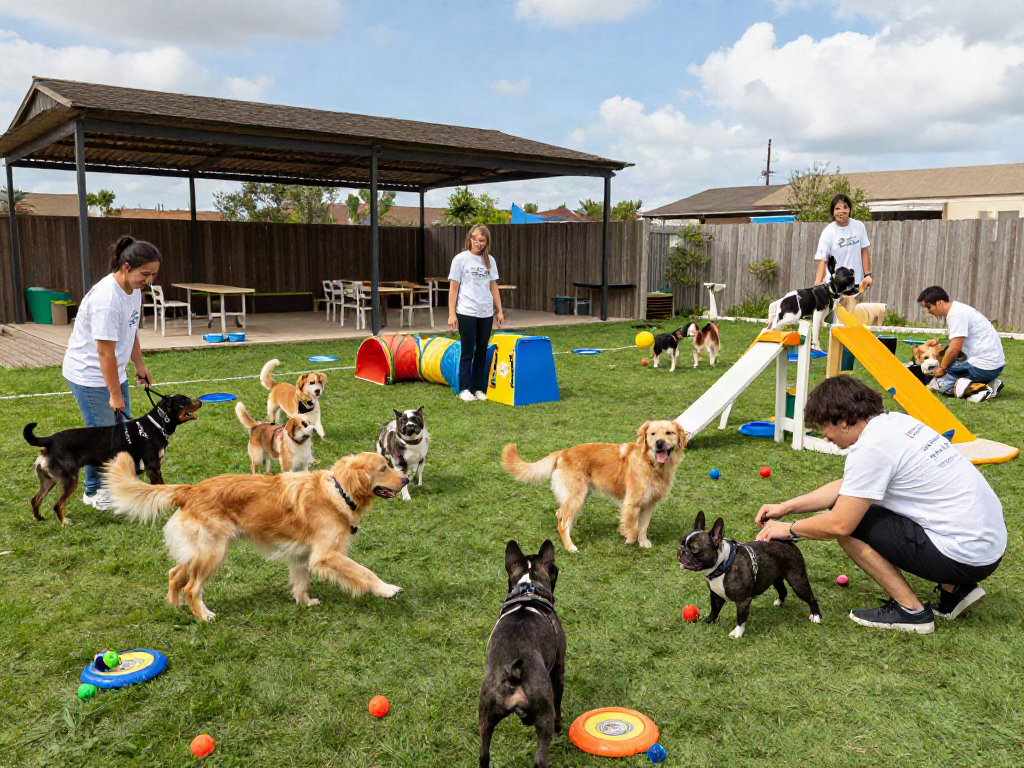
Understanding the depo 10k Concept in Dog Daycare
The pet care industry has evolved significantly over the past few years, with dog daycare services becoming increasingly popular among pet owners. One critical concept that has surfaced in this realm is the depo 10k. Understanding this concept is essential not only for dog daycare business owners but also for pet parents looking for quality care for their four-legged companions. This article aims to delve deep into the depo 10k concept, the importance of quality care in dog daycare, and how metrics shape the industry.
What is depo 10k?
At its core, depo 10k refers to a strategic framework used by dog daycare facilities to optimize operational efficiency and enhance the quality of care provided to dogs. The term "depo" indicates a deposit of knowledge and resources, while "10k" symbolizes a specific metric benchmark that many successful daycare facilities strive to achieve. This benchmark includes a range of performance indicators such as customer satisfaction, dog safety, and staff training efficiency.
Importance of Quality Care in Dog Daycare
Quality care is paramount in dog daycare services. Pet owners are increasingly discerning about where they leave their pets, seeking facilities that offer not only safety but also enrichment and companionship. High-quality care involves well-trained staff, safe and comfortable environments, and engaging activities that keep dogs mentally and physically stimulated. Adopting the depo 10k framework encourages daycare providers to regularly assess and improve their service offerings, ultimately leading to happier pets and satisfied owners.
Comparing Daycare Metrics: Why Numbers Matter
Understanding the metrics that influence dog daycare operations can provide valuable insights into their effectiveness. Metrics such as average daily attendance, customer retention rates, and incident reports are crucial in evaluating performance. Comparing these figures against the depo 10k benchmark allows facilities to gauge their standing within the industry and identify areas for improvement. Facilities that successfully implement these metrics can better manage resources, enhance safety protocols, and increase overall service quality.
Analyzing Competitor Strategies
The dog daycare industry is competitive, making it essential for businesses to understand their competitors' strategies. By evaluating the approaches of other successful pet care providers, daycare owners can identify best practices and areas for differentiation.
Identifying Top Competitors in the Dog Daycare Industry
Identifying leading competitors involves researching local facilities that have garnered positive customer reviews, strong community presence, or unique service offerings. These top players often set industry standards and can serve as a benchmark for emerging and existing dog daycare businesses.
Evaluating Different Business Models
There are diverse business models within the dog daycare industry—from franchise operations with established protocols to independent facilities providing bespoke services. Understanding the strengths and weaknesses of each model can inform strategic decisions. An independent daycare may offer a personalized experience, while a franchise could leverage brand recognition and operational support.
Leveraging Competitor Insights for Growth
By analyzing competitors, dog daycare owners can glean insights into successful marketing strategies, customer engagement techniques, and innovative services that resonate with pet owners. Such insights can inform a daycare’s growth strategy, enabling them to adapt quickly to changing market demands.
Implementing Best Practices for Dog Care
To stand out in the competitive dog daycare landscape, facilities must adopt best practices that ensure the well-being of the dogs and the satisfaction of their owners.
Creating a Safe and Inviting Environment
Safety should always be a top priority in dog daycare facilities. This involves maintaining a clean environment, regularly inspecting play areas for hazards, and implementing strict health protocols. An inviting atmosphere encourages pet parents to trust their dogs will be well cared for while they are away.
Staff Training and Their Role in Success
Well-trained staff are crucial to the operation of a successful dog daycare. Training programs should cover canine behavior, first aid, and effective communication strategies with pet owners. Staff members who are knowledgeable and passionate about animal care can significantly enhance the overall experience for both the dogs and their owners.
Effective Communication with Pet Owners
Communication is key in fostering trust between dog daycare facilities and pet owners. Regular updates about dogs’ behavior, health, and daily activities can alleviate owners' worries while affirming their choice of daycare. Utilizing technology for updates, such as apps or social media, can improve engagement.
Measuring Success and Setting Goals
Establishing clear metrics for success is essential for any dog daycare aiming to thrive within the industry. Business owners must define what success looks like and how to measure it effectively.
Key Performance Indicators for Dog Daycares
Key Performance Indicators (KPIs) serve as measurable values that help daycare facilities assess their effectiveness. Important KPIs in dog daycare may include average daily attendance, customer satisfaction scores, and incident frequency rates. These metrics can guide operational decisions and strategic adjustments.
Establishing Customer Feedback Mechanisms
Customer feedback is invaluable for understanding the strengths and weaknesses of dog daycare services. Implementing surveys and regular check-ins can help capture owner insights. Listening to feedback helps address concerns promptly and adapt services to better meet customer needs.
Benchmarking Against Industry Standards
Benchmarking against established industry standards allows daycare owners to gauge their performance relative to peers. By comparing their KPIs with those of top competitors, facilities can identify gaps in service and uncover opportunities for improvement.
Future Trends in Dog Daycare Services
The landscape of dog daycare services is continuously evolving. Staying ahead of trends is crucial for businesses that wish to maintain a competitive edge.
Emerging Technologies in Pet Care
Emerging technologies are set to revolutionize the dog daycare industry. Innovations such as GPS tracking, smartphone apps for scheduling, and live streaming services can enhance pet owners' experiences while improving operational efficiency. These technologies cater to the growing demand for transparency and convenience.
Sustainable Practices and Their Importance
As awareness of environmental issues increases, many dog daycare facilities are adopting sustainable practices. These may include eco-friendly cleaning products, energy-efficient facilities, and waste reduction strategies. Implementing sustainable practices not only benefits the environment but also appeals to eco-conscious pet owners.
Anticipating Customer Needs for 2026
As the pet care industry evolves, anticipating customer needs will be essential for dog daycare success. Owners will increasingly seek services that prioritize well-being, convenience, and engagement. By being proactive in understanding trends and adapting accordingly, daycare facilities can ensure they remain valuable resources for pet owners.
What are the benefits of using depo 10k services in dog daycare?
Utilizing the depo 10k framework can lead to optimized operations, improved care standards, and enhanced customer satisfaction. By focusing on metrics that matter, daycare facilities can foster trust and loyalty among pet owners, ultimately boosting their business growth.
How can I improve my dog daycare's performance metrics?
Improving performance metrics can be achieved through regular staff training, implementing feedback mechanisms, and adopting technology that streamlines operations. Additionally, benchmarking against industry standards can highlight areas in need of improvement.
What are common challenges faced by dog daycare businesses?
Common challenges in the dog daycare industry include managing fluctuating demand, maintaining consistent quality of care, and addressing compliance with health and safety regulations. Developing a strong operational strategy can help mitigate these challenges.
What technologies are shaping the future of dog daycare?
Technologies such as mobile apps for scheduling, instant messaging for updates, and telemedicine options for veterinary consultations are shaping the future of dog daycare. These tools enhance communication and improve service delivery, aligning with modern pet owner expectations.
How can customer feedback enhance my daycare services?
Customer feedback can provide crucial insights into the strengths and weaknesses of daycare services. By actively seeking and implementing feedback, facilities can better meet customer expectations and improve their offerings.